FeNO Testing
Last updated: September 2024
Share this article: - - -
It is important to be aware of any factors that may influence a patient’s FeNO levels. For best results, patients should be advised to avoid certain types of food a few hours before a FeNO test.6
A FeNO test is quick and easy to perform with an electrochemical device.4 Some devices, like NIOX®, are equipped with a breathing handle that filters out any nitric oxide present in the air to avoid contamination, supporting the fact that the NIOX® provides an accurate and reliable result.4,5
After inhaling through the handle, the patient exhales steadily for 10 seconds. Visuals on a screen help the patient to exhale at the right air flow rate. The device analyses the exhaled breath and around one minute later, the result is displayed on the screen.
How should clinicians interpret the result? The American Thoracic Society (ATS) has published a guideline dedicated to the interpretation of FeNO testing.3 Their recommendations state that levels above 50 ppb (35 ppb in children) indicate that Type 2 inflammation is likely.3 FeNO lower than 25 ppb (20 ppb in children) indicates that Type 2 inflammation is unlikely.3
Click play to listen to this article:
It is important to be aware of any factors that may influence a patient’s FeNO levels. For best results, patients should be advised to avoid certain types of food a few hours before a FeNO test. 6
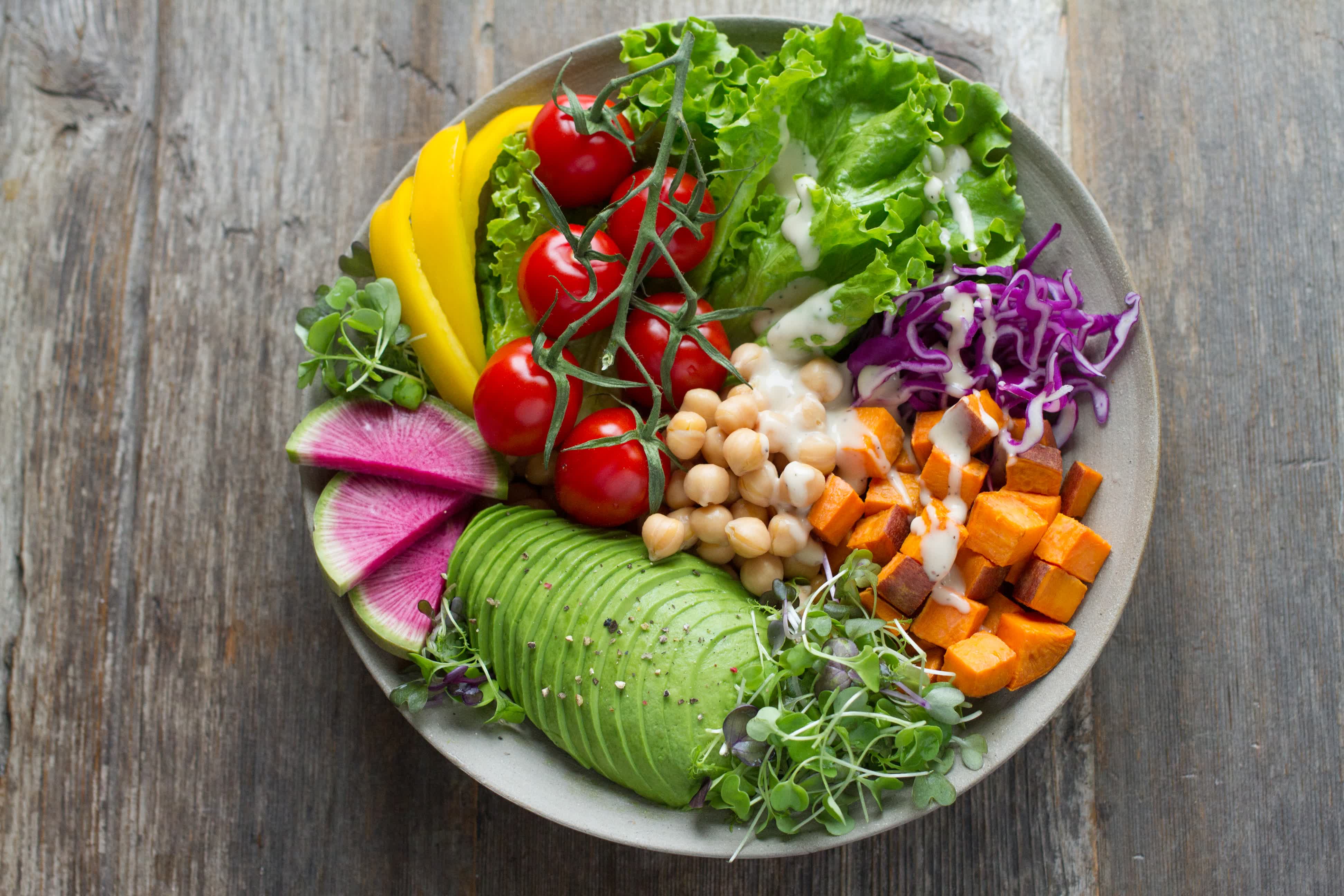
Studies have shown that nitrate-rich foods, especially leafy vegetables such as lettuce and spinach, but also beetroot, can increase FeNO.6-8 In a study by Kroll et al. clinicians measured 38 patients’ FeNO levels before and after drinking a nitrate-rich beetroot juice.7 45 minutes after the intake, the measured FeNO levels increased on average by 21.3%. After 90 minutes, they still measured an average increase of 20.3%.7
During a case study by Kerley et al. in 2016, a similar test was performed in a 12-year-old boy with cystic fibrosis.8 His FeNO levels had increased by about 150% 90 minutes after drinking a nitrate-rich beetroot juice. 8
Learn more about FeNO testing with these recomendations:
Other substances can have the opposite effect. In a recent study, caffeine was shown to decrease FeNO levels significantly.9 It is also worth noting that the ATS and European Respiratory Society guidelines from 2005 highlight that consuming caffeine may lead to a transiently altered FeNO value.6
Whereas coffee potentially affects FeNO levels in the short term, other food and lifestyle habits can have a lasting effect.10 A study by Afshar et al. pointed out that excessive alcohol consumption causes a reduction in FeNO levels.10 Even though they concluded that further studies are needed, they suggest that patients’ excessive drinking habits should be taken into account during a FeNO test.10
Tobacco has also been found to influence FeNO levels both in the short and the long term.6,11,12 In a study by Kougias et al. researchers analysed the effect of smoking one cigarette immediately before measuring FeNO, and saw a significant decrease in FeNO levels.11 Malinovschi et al. looked at the long-term effects of tobacco and concluded that both current and ex-smokers have lower FeNO levels.12
It is safe to say that certain types of food may affect a patient’s FeNO levels. Clinicians should communicate this clearly to their patients and stress that it is important to make sure that they get the best possible treatment. This way, patients will know what to avoid before a FeNO test, and that they should provide the necessary information about their habits.
If you would like to learn more about FeNO, check out our FeNO Learn app, where you will find exclusive educational resources and even our interpreting FeNO tool.
At NIOX® we are passionate about providing excellent support and training.